


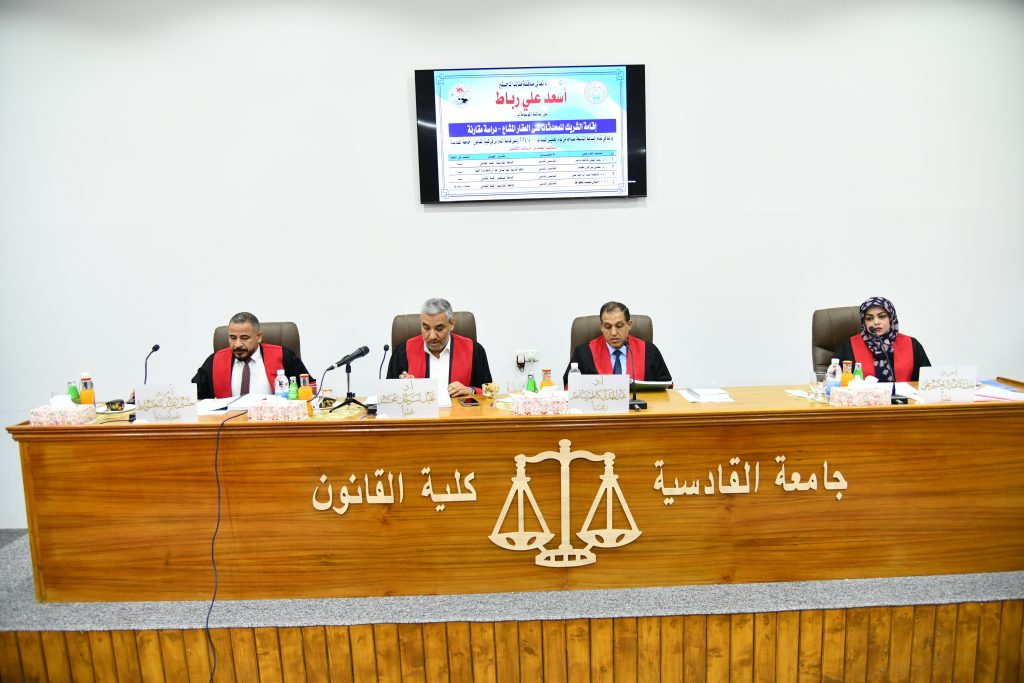
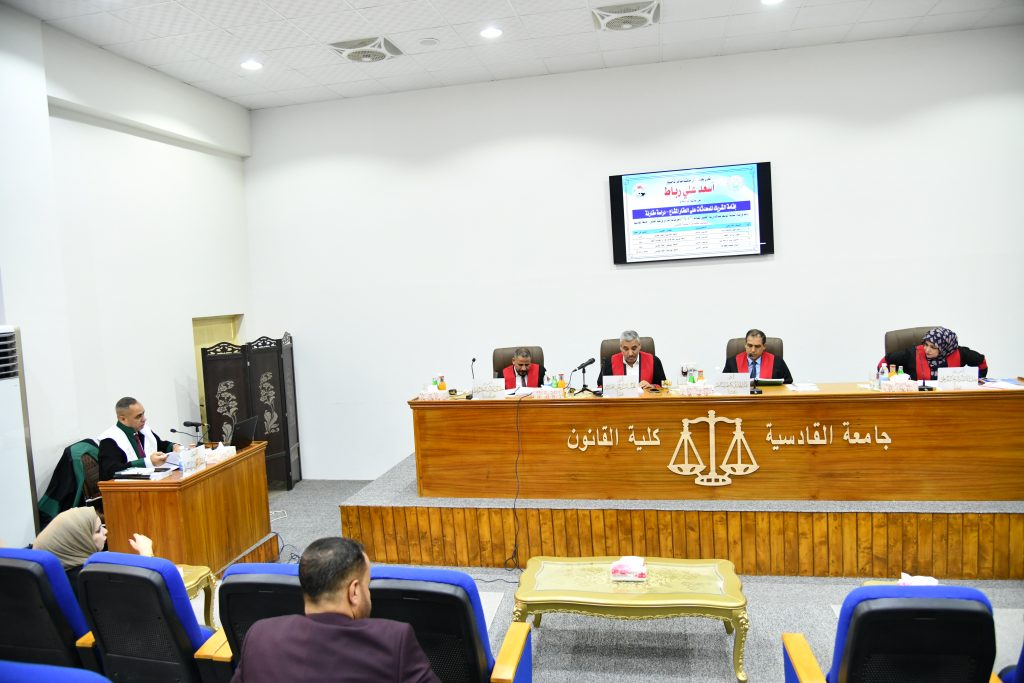
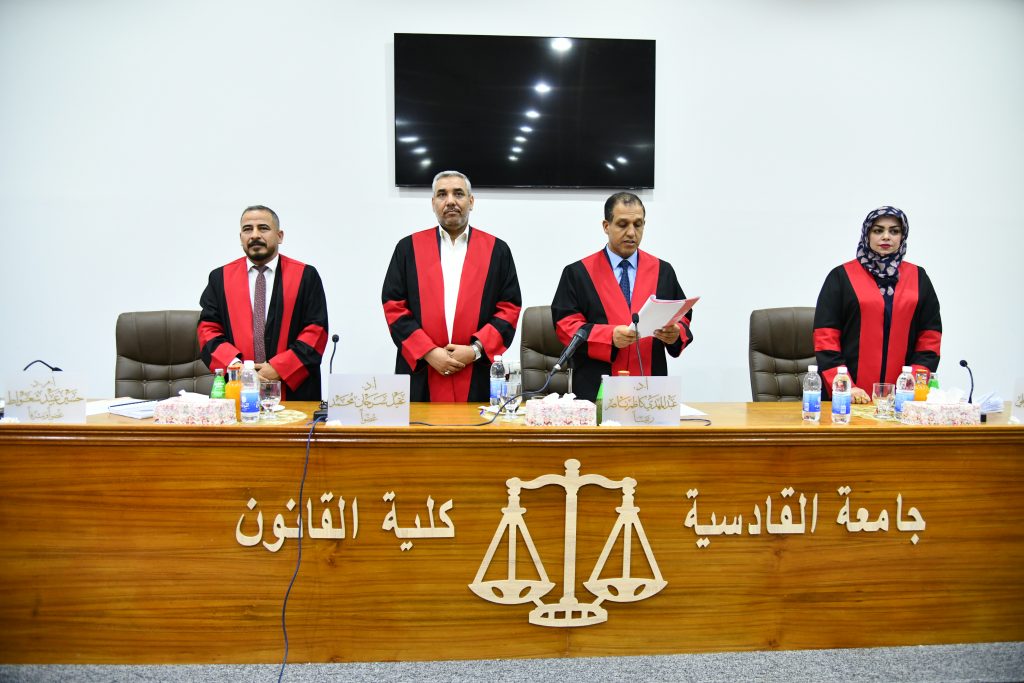
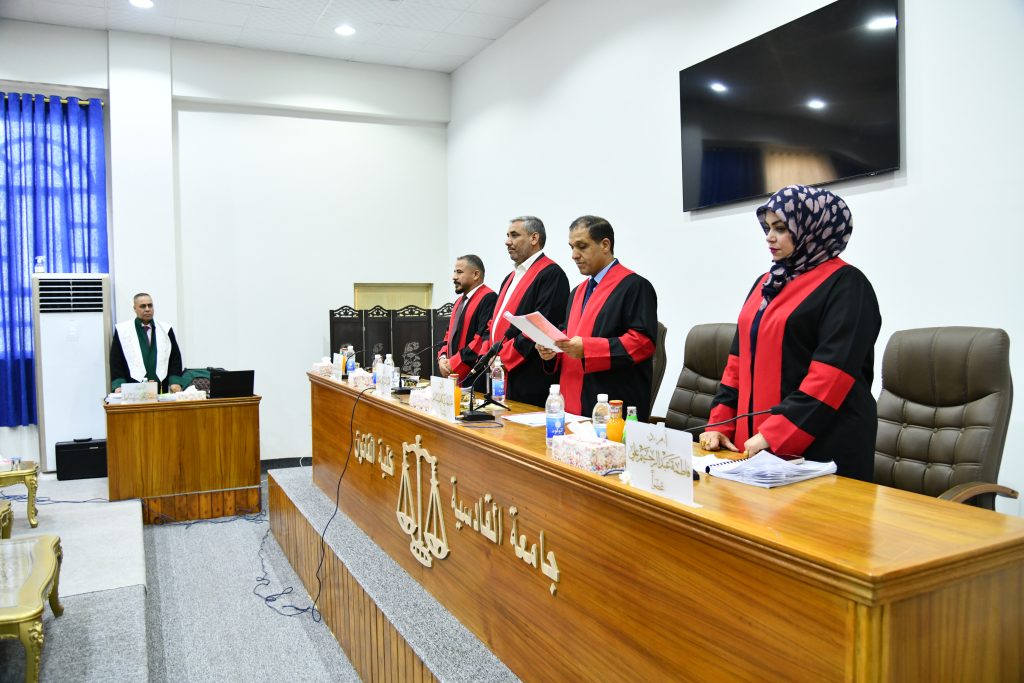
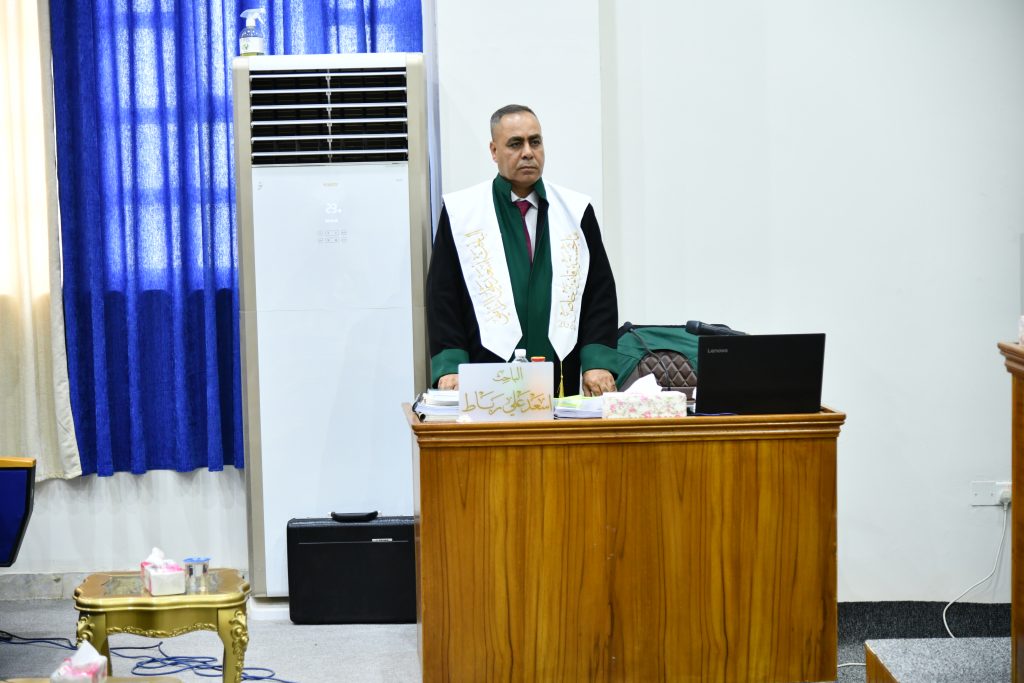
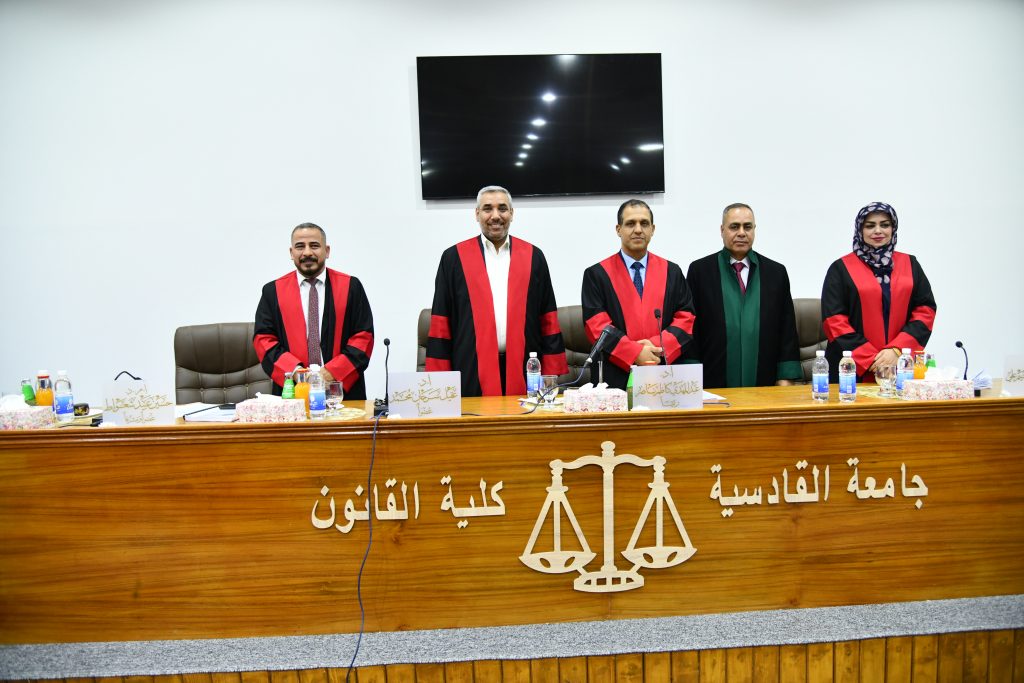
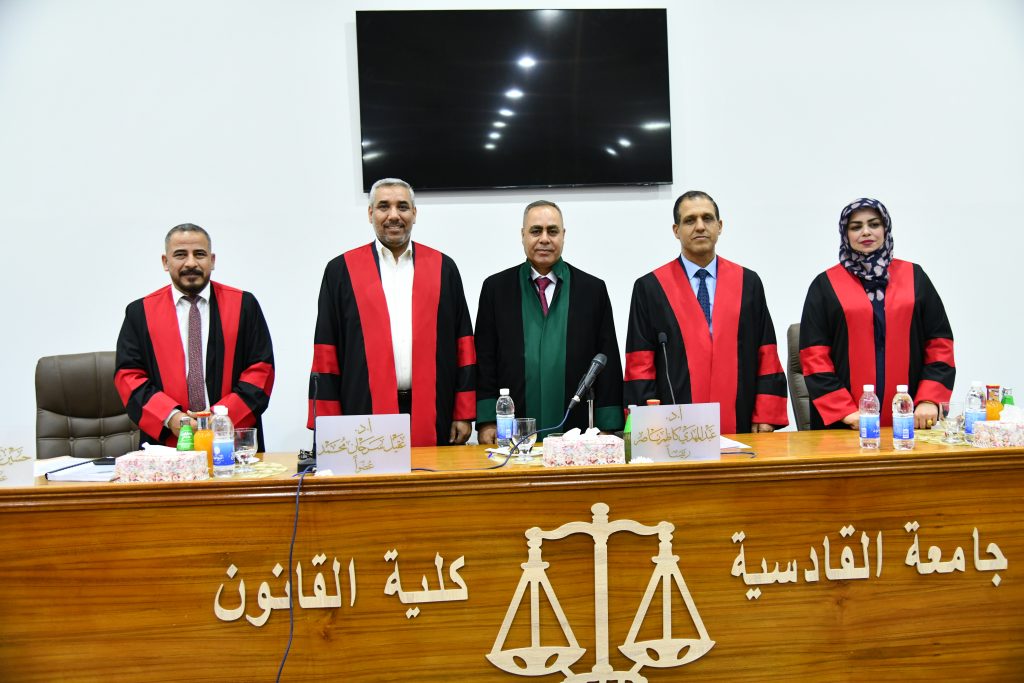
The master’s thesis, titled “The Right of a Partner to Construct on Common Property: A Comparative Study,” by researcher Asaad Ali Rabbat, was defended at the College of Law at Al-Qadisiyah University.
The thesis aimed to explore the legal nature of the partner’s right to construct on common property, determining whether it constitutes an act of disposal or management. Through comprehensive research and a comparison with Egyptian civil law, French civil law, and judicial precedents, the researcher concluded that the right to construct does not fall under dispossession but rather falls under the category of management. Therefore, any construction by a partner on common property requires the consent of all co-owners. Such construction is considered an act of unusual management, necessitating unanimous agreement among all co-owners. Additionally, this act constitutes enjoyment rather than dispossession, ultimately leading to fundamental alterations or modifications to the common property’s intended purpose.
Furthermore, the study delved into the regulations concerning a partner’s right to construct on common property both before and after division, as well as the responsibility for these constructions, whether agreed upon by the partners or not. It was established that if the construction falls within the share of a partner after division, they possess ownership rights over it. However, if the construction falls within another partner’s share, the latter has the right to demand its removal or demolition in accordance with the principles of adherence, deeming bad faith on the part of the constructing partner.
Upon concluding the study, the following findings were derived:
- The nature of the partner’s right is a proprietary right subsequent to the ownership of the property.
- The partner holds the right of appropriation and control over the property’s essence, leading to fundamental changes in the common property.
- The partner must obtain consent from all co-owners before construction.
The researcher recommended several legislative amendments, including revising Article 1064/2 of the Iraqi Civil Code to stipulate that customary management actions require unanimous consent from all partners, given their joint obligation to enjoy or benefit from the property equally. Additionally, the researcher proposed modifying Article 1063/2 of the Iraqi Civil Code and other relevant recommendations.
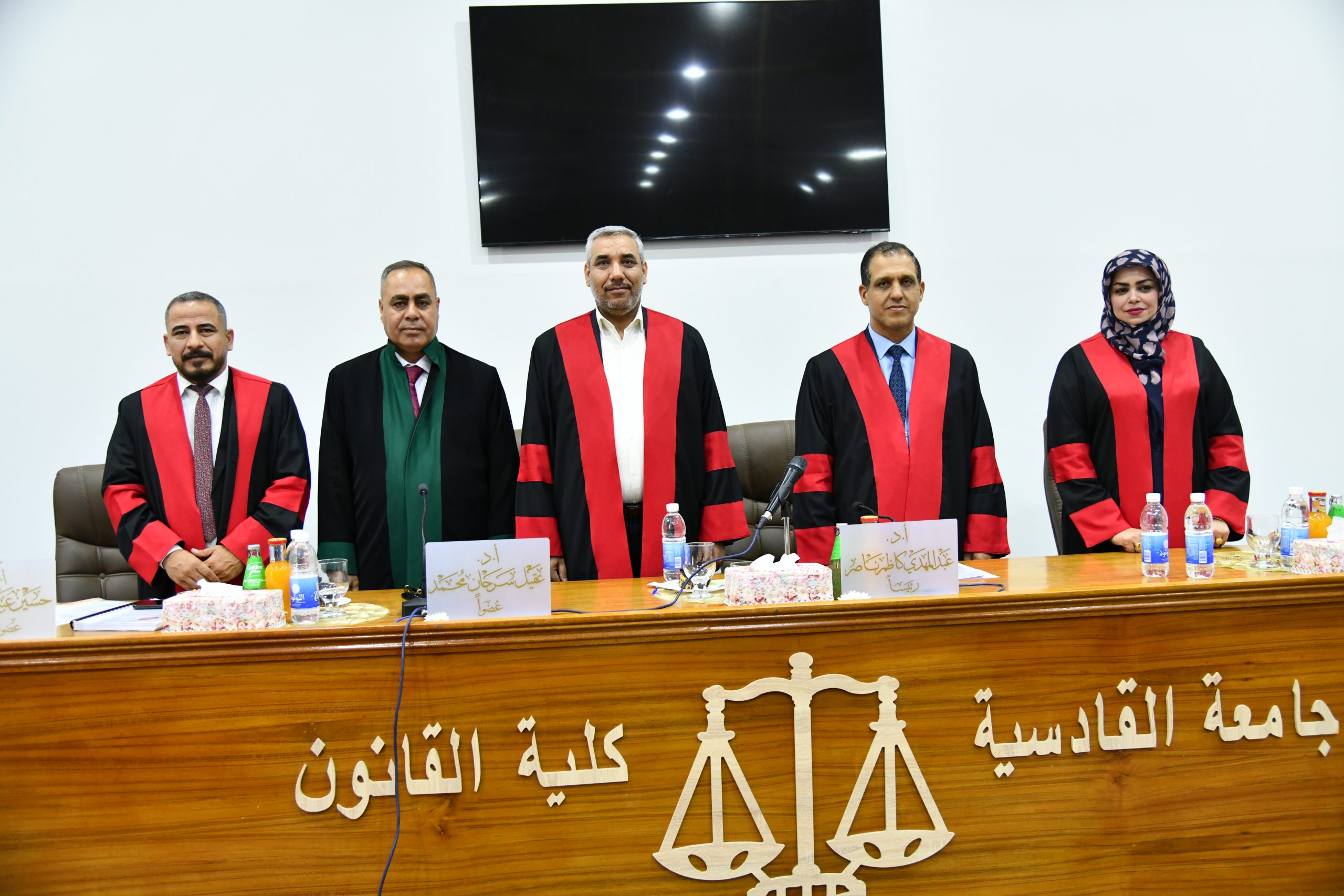
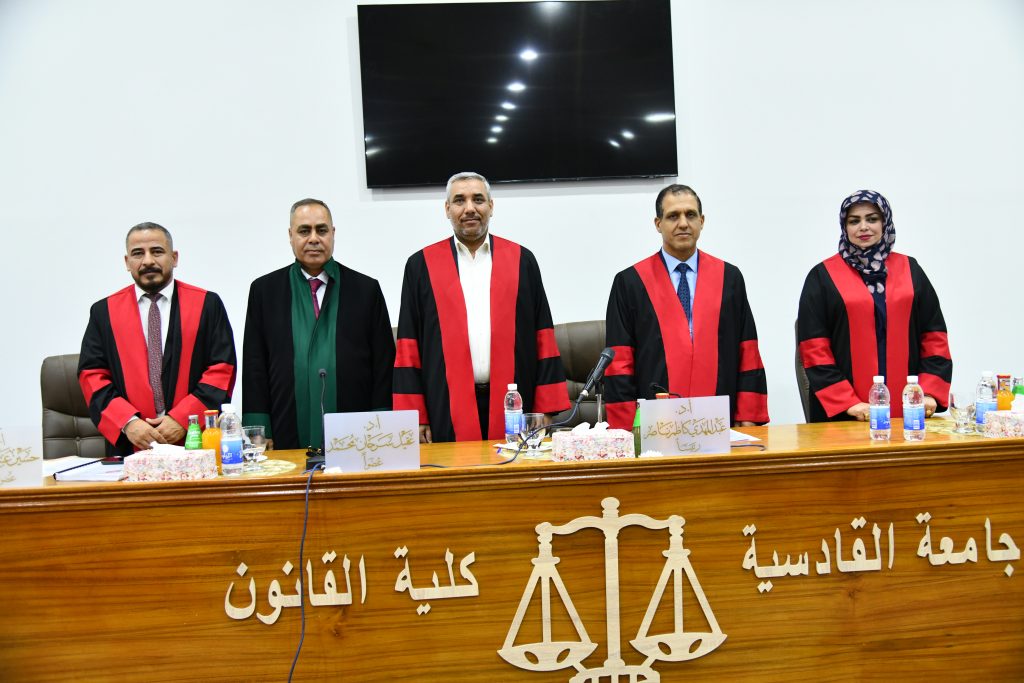
The defense committee comprised:
- Professor Dr. Abdul Mehdi Kazem Nasser (Chairman)
- Professor Dr. Aqeel Sarran Mohammed (Member)
- Assistant Professor Dr. Fatima Abdul Rahim Ali (Member)
- Assistant Professor Dr. Hussein Ubaid Shuwaat (Supervisor)


لا تعليق